Chemicals · Equipment · Wastewater
The Expertise Behind the Wash
Tell Henry what isn't working: the cargo, the soil, the cycle time, the surcharge. He'll tell you the likely cause before anyone sells you anything.
The problems we get called about
You don't need to know what you need.
Most facilities know what isn't working, not what fixes it. Start with the problem in your own words. Henry works back from there.
Chemicals
“We can't get this out and the customer wants the trailer back.”
Latex, resins and lacquers, isocyanates, 4-ADPA, tar, cement. Henry starts with what's in the tank and matches vat detergents, pre-solves, and acid cleaners to the soil, not the catalog.
Equipment
“The bay is the bottleneck for the whole yard.”
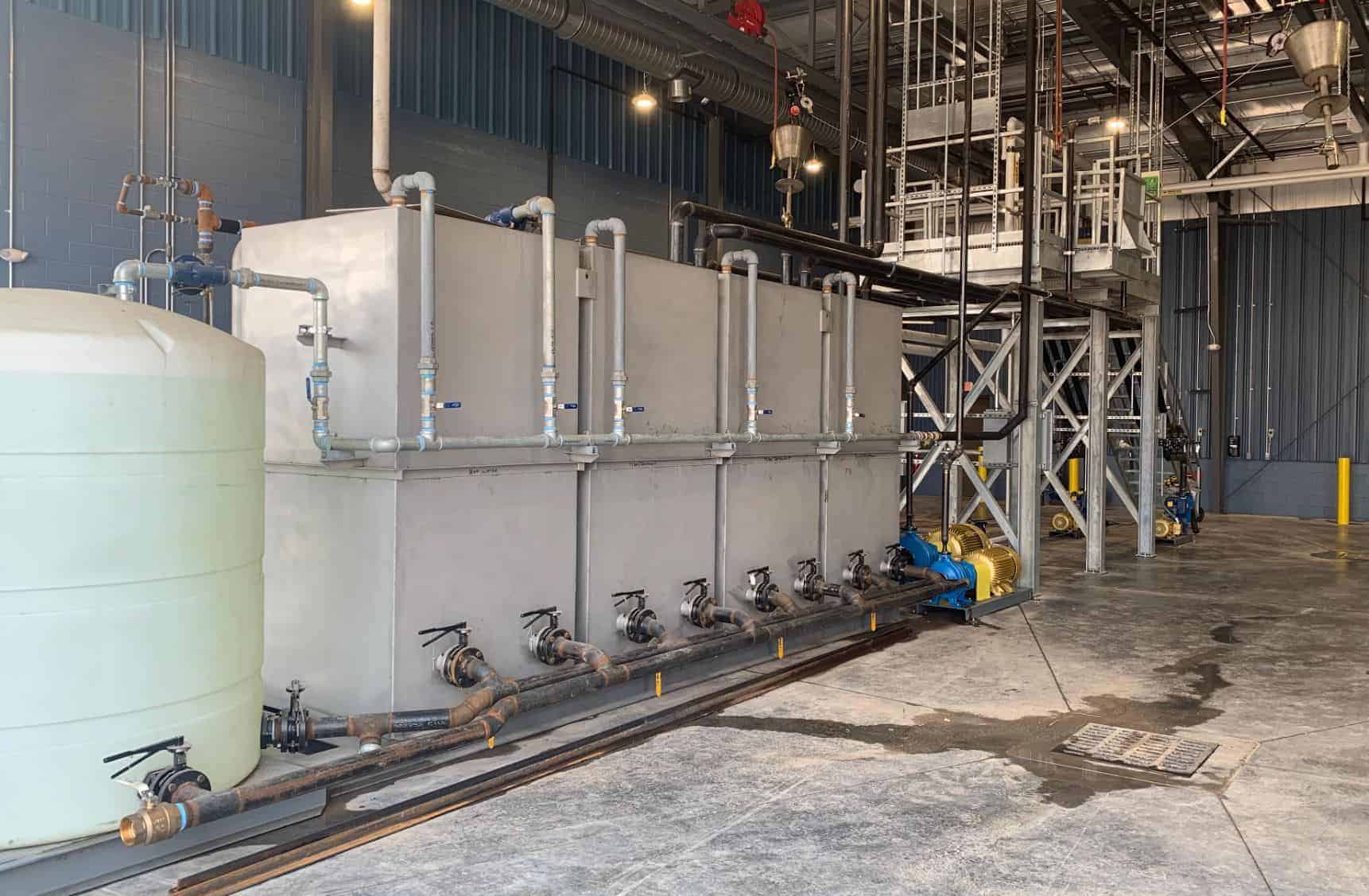
Complete wash bays, MEA skids, food-grade skids, and high-pressure shell-and-tube skids, specified around the work they have to do. The decisions made earliest in a bay design are the hardest to change.
Wastewater
“Our surcharge went up again and nobody can tell me why.”
What leaves the bay costs more than what enters it. Segregation, treatment, evaporation, and recycling are cheapest when they're decided upstream, before the drains are poured.
How we decide what you need
A method you can see.
Every recommendation starts on your tank, not in a catalog. The result is measured, so it's yours to check.
01
Identify the soil
The cargo class, the soil, the wash type, and what your wash is doing now. Twenty minutes with someone who has solved it before is the first step.
02
Trial on your tank
The proposed chemistry or process runs on your own trailer, at your temperatures and dwell times, before anyone orders a drum.
03
Measure before and after
Cycle time, re-wash rate, and chemical cost per tank, measured on the same trailer both times.
The P&L is the scorecard
Cost per wash, not cost per drum.
Dilution ratio, dwell time, reheat energy, and re-wash rate decide what a wash really costs. Henry argues every recommendation on those numbers, so you can check the arithmetic against your own wash tickets.
A cheaper chemical that needs a second wash is the expensive one.
Who Henry works with
- Independent tank wash racks
- Carrier-owned wash bays
- Depots and terminals, including ISO tank container depots
- Railcar cleaning facilities
- Plants that wash their own trailers
Road Tanker Cleaning, Railcar Cleaning, ISO Cleaning, and Exterior Cleaning, often under one roof.
Resources
Tools for the numbers this trade runs on.
Working calculators for hose volume, nozzle sizing, vat volume, dilution, motor amperage, and unit conversions. Open to anyone, no sign-up. Henry's articles explain one soil or one decision at a time.
Products sold and invoiced by our brand partners: A-One Chemicals and Equipment · Environmental Compliance Equipment
Tell us what isn't working
Describe the problem. Henry will call with the likely cause.
The cargo, the soil, and what your wash is doing now. No product to pick, no quote to request.