Pre-Solves
Tank Cleaning Chemicals
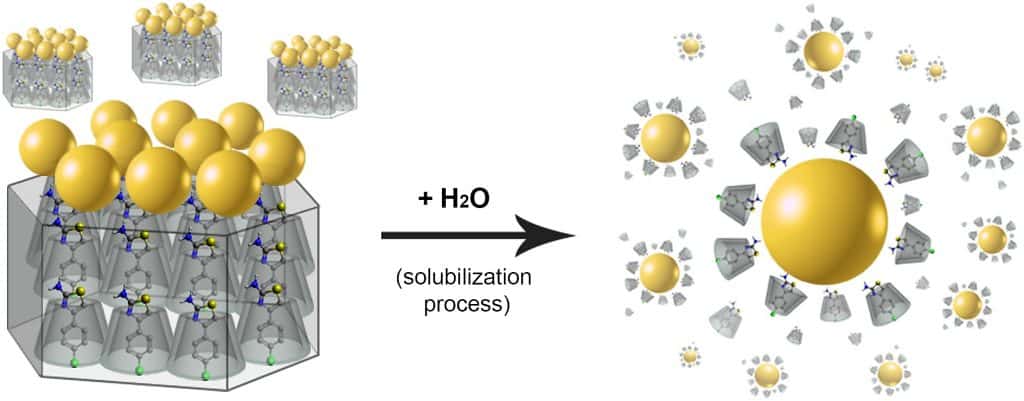
As the name implies, Pre-Solves are used to soften and/or solubilize stubborn materials prior to washing. At the end of their chemical journey resins, polymers, monomers, etc., begin to polymerize. Often, a solvent with similar characteristics to the original carrier solvent, is capable of thinning out the tacky or hardened material. Other times, however, more aggressive formulated materials are required. Here are just a few examples.
Resins & Lacquers
These materials tend to get tacky quickly, and while not so difficult to remove, they can be super abrasive if a pre-solve step is skipped. Hot-vat solutions that concentrate emulsified resins do not last as long between re-charges, hence cleaning cost per tank may actually increase. We have the right pre-solve for these soils. For best results, see Standard Operating Procedures.
4-ADPA
This chemical intermediate is used in manufacturing of aniline dyes, rubber and fuels, and even lubricants. And it does not play nice when it is time to wash the tank. We have the right pre-solve for 4-ADPA, paired with a procedure built for this soil. For best results, see Standard Operating Procedures.
Floc & Friction Reducers
a.k.a., “Elephant Snot” - These water treatment polyacrylamides are used to coagulate solids that are suspended in liquids, or in the petroleum industry to assist in oil recovery. They are water-soluble. and very easy to clean. Until they damage your tank wash. Floc & FR have some baggage - the polymer swells when water is added. The more you rinse the more it swells, at times generating hundreds of extra gallons of wastewater. Then it settles in the drains and hardens, requiring expensive clean-out work. We have the right pre-solve for floc and friction reducers, and Henry will walk you through the procedure that goes with it. For best results, see Standard Operating Procedures.
Latex
Many variables make this material one of the hardest to clean. There are many types, but for this discussion, let’s concentrate on the most common and difficult to clean - SBR latex (Styrene Butadiene Resin). It is a bear to remove by conventional means, but we have the right vapor impingement pre-solve for it, so the hard part happens off the wash bay. Latex is a lattice, and penetrating it with a powerful solvent will destroy its elastomeric properties. This can be accomplished at a heating station, away from your wash bays. Once the vapor impingement phase is complete, the tank is taken to the wash rack for a normal, short-duration latex wash. For best results, see Standard Operating Procedures.
Isocyanates
All forms of isocyanates, whether TDI (a poison in its raw state) or MDI, can all be treated the same when they are already set up. Set up or not, we have the right pre-solve for them. It works with steam through the tank's coils, and after the spent material is drained and the tank gets several hot water rinses, it is ready for the next step. For best results, see Standard Operating Procedures.
Or fill out our Quick Call Request form below.
Effective Floc Cleaning
How To Clean Latex